
Author: Alicia Dauth
1. Introduction
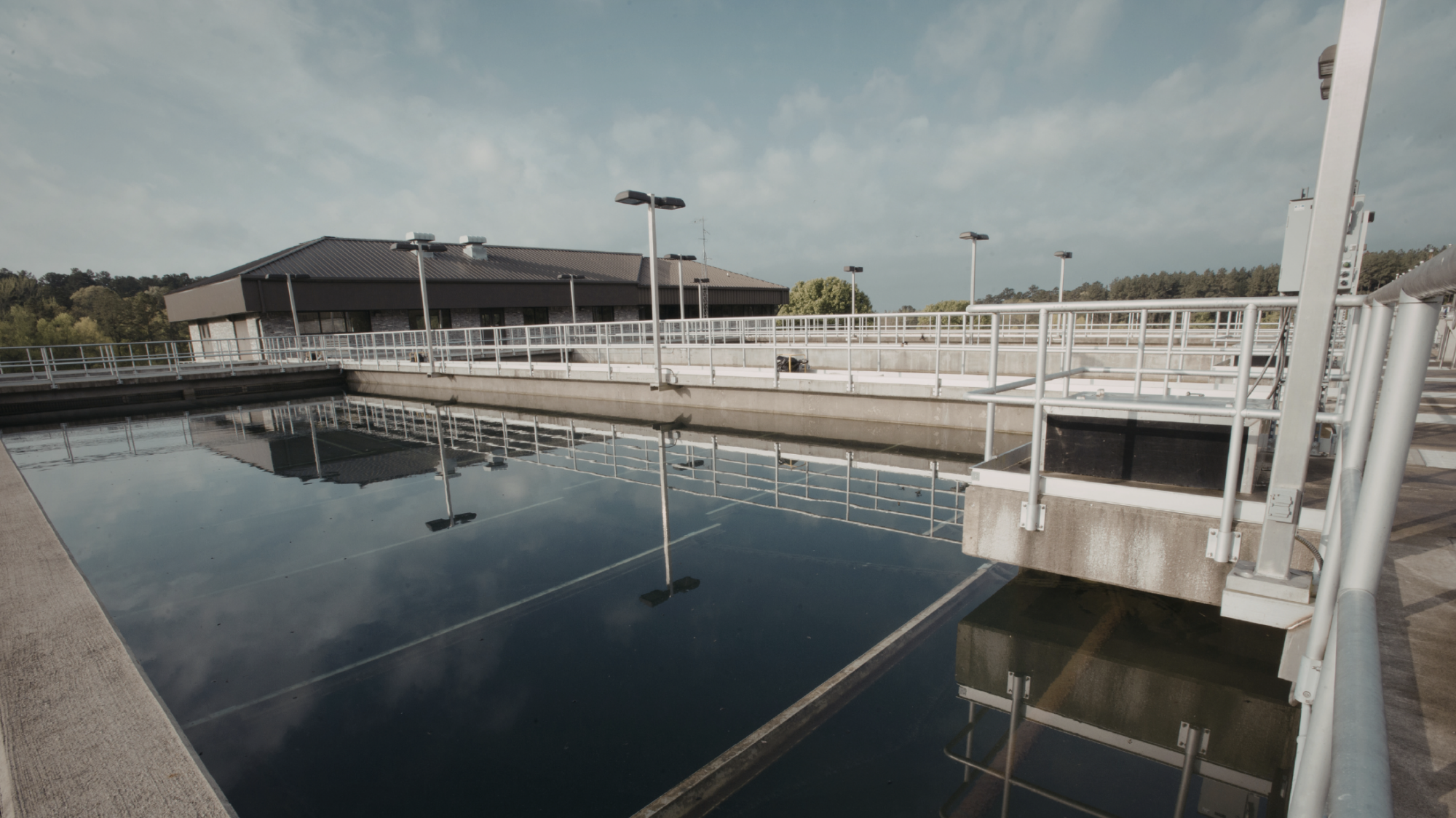
We have long relied on water infrastructure to produce, store, and manage water for multiple uses, including potable water supply, stormwater management, wastewater treatment, and recycled water production. But our infrastructure is increasingly at risk from threats such as sea level rise, flooding and most recently transboundary conflict. These various factors can all occur simultaneously creating cascading impacts posing further strain to our water infrastructure.
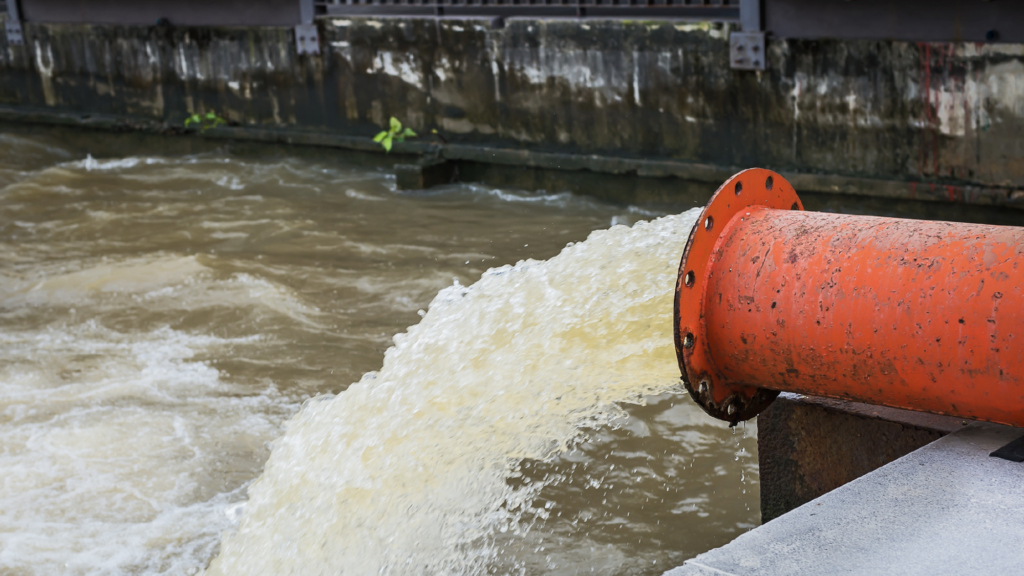
Maintaining reliable water systems (natural and engineered systems) in a changing climate could become increasingly difficult, while the risks to the environment also grow, through pollution, leakage and other infrastructure related impacts. We can no longer ignore the need to address the need water resilience within these systems.
Water scarcity is no longer limited to this region; it is increasingly emerging as a global challenge affecting many other countries. Actions are now needed to make water systems more roust in the face of shocks and stresses.
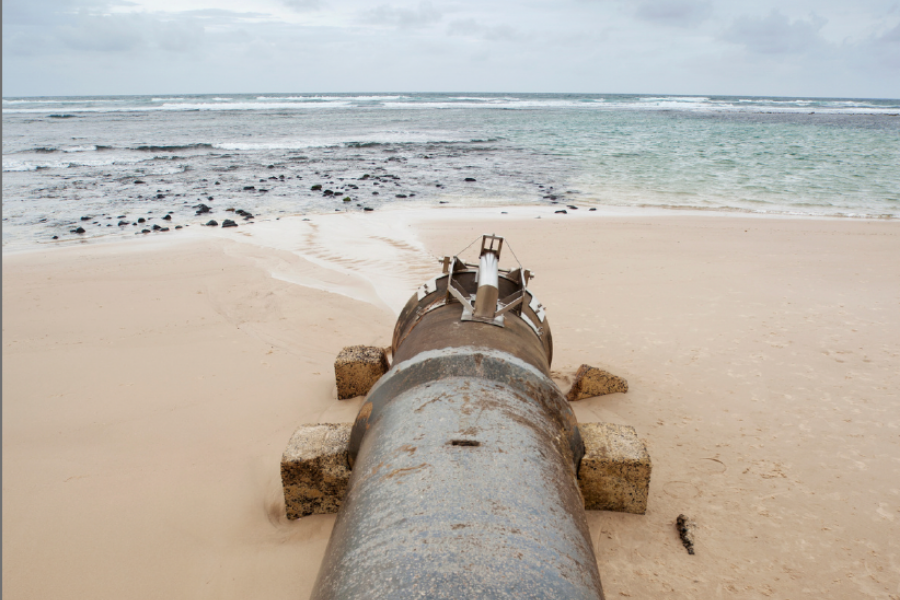
The MENA region remains one of the most water stressed areas in the world. In this context, strengthening and advancing infrastructure is critical to reducing water vulnerability. Looking more closely within the MENA region to the Gulf Cooperation Countries (GCC) including Bahrain, Kuwait, Oman, Qatar, Saudi Arabia and the UAE desalination is often referred to as ‘the lifeline of the Gulf” because of the regions limited freshwater availability and its limited capacity to naturally recharge groundwater. Leading experts have even documented the GCC to obtain close to 90% of their drinking water from desalination processes (Mahmoud, 2026). The need to desalinate though comes with high environmental risk to marine water quality – as cumulative impacts from brine discharge to the sea can also present worrying outcomes.
The United Arab of Emirates (UAE) stands out as a key example, where infrastructure systems are far more than utilities. Their engineering marvels have transformed harsh environments into habitable and thriving cities, forming the foundations of urban life, public health and economic growth.
Given the UAE’s harsh climate and rapid development, water infrastructure must perform reliable because it underpins so many industries and essential services. Understanding water risks is critical- it helps identify challenges and pressures and supports the decisions needed to plan for mitigative measures.
Together, these pressures raise an important question: is our infrastructure evolving quickly enough to keep pace with these growing challenges? Addressing this requires a deeper understanding of the risks within the engineering systems we rely on every day, as well as exploring alternative and complementary approaches.
Solutions should place nature at their core – working alongside traditional infrastructure to reduce stress on water systems, restore degraded ones, and strengthen long-term water and environmental resilience.
2. Identifying weak spots and stressors in Middle East infrastructure
Weather
Flooding appears to be becoming more intense and more frequent within the MENA region, suggesting that cities in the Middle East may need to treat extreme rainfall as a recurring condition rather than an exception. The GCC statistical centre report mentions that “the percentage increase in the average amount of rainfall in 2024 compared to the long-term average over a 30-year period is 49.4%” (Statistical Centre for the Cooperation Council for the Arab States of the Gulf, 2025).
Challenges do not exist in isolation. The region also faces extreme temperatures, rapid urbanisation and population growth, land aridification, and rising sea levels. Less visible changes to our environment are also occurring such as increasingly fragile groundwater levels and quality, alongside changes in marine water quality that can affect desalination which is the UAE’s main source of potable water. The rise in temperature will also impact coastal and marine areas, which are the sources of water for cooling for many of the power plants (Government of the United Arab Emirates, 2021).
Many of these factors place additional pressures on exiting infrastructure and not all challenges can be easily predicted. For example, conflict or political instability can introduce further uncertainties when it comes to how we manage our water resources.
At the same time, desalination capacity across the region is expected to expand to meet rising demand. The MENA region faces a severe water stress issue, as limited renewable water resources projected to decline by 0.6 km³/year and water shortage to triple by 2050 (Rageh, 2025). While this infrastructure strengthens supply it also introduces other pressures including high energy consumption and impacts on marine ecosystems.
If we think about the interconnected pressures, it may be realized that the water infrastructure is not just about managing supply and demand, it is about adapting to a changing environment. It also raises the question of whether these vulnerabilities or ‘weak spots’ in infrastructure should be viewed less as failures and more as signals to guide us towards more adaptive and resilience solutions.
3. Creating Opportunities for sustainable resilience
The many vulnerabilities identified in water infrastructure across the Middle East, particularity in the GCC also presents an opportunity to rethink how resilience is approached. Rather than continuing to rely on highly engineered systems, there is a growing need to shift toward approaches that combine traditional infrastructure with solutions more focused on nature. This could be achieved by looking to the UN Sustainable Goals to reinforce our design and direction of a development, encouraging more integrated and sustainable water management practices that balance environmental protection with development needs.
In the context of the UAE, approaches such as green infrastructure could offer a more adaptive way forward. By using permeable surface, utilising our green spaces and enhancing natural drainage buffers where appropriate, cities can better absorb stormwater and reduce pressure on conventional drainage and pumping systems. Across the GCC, rapid urbanisation has created large expanses of impermeable surfaces so integrating green system could improve flood resilience and urban liveability. This underscores the need for more green infrastructure.
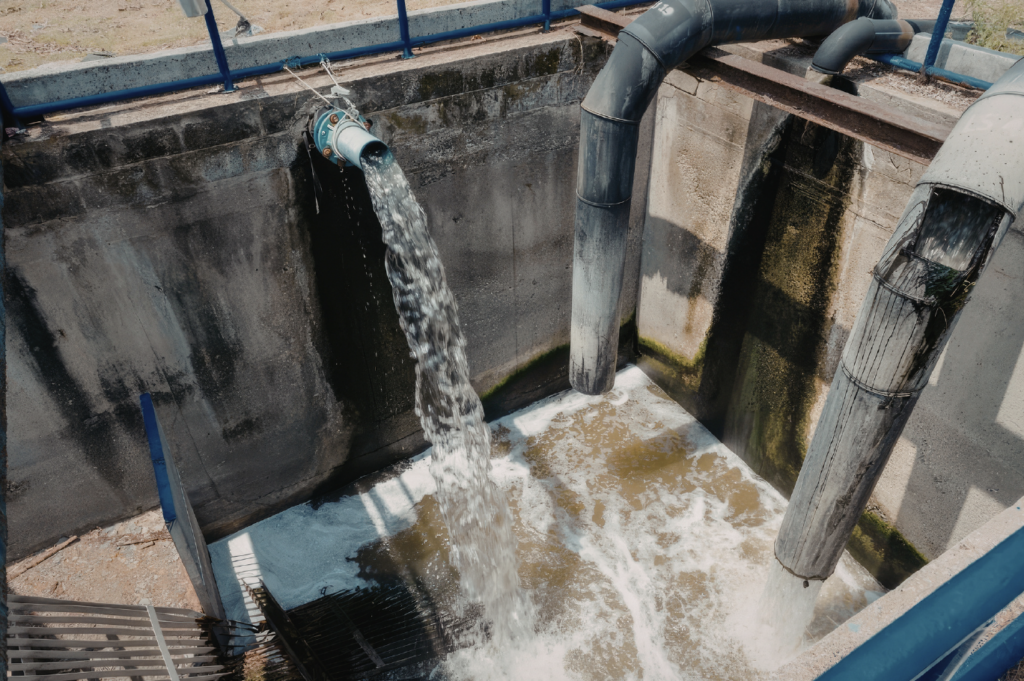
Water reuse and efficiency measures are also important components of creating opportunities for sustainable resilience. Expanding wastewater recycling encourages greywater reuse thus reducing potable water demand can ease pressure on energy intensive desalinisation systems. This is why projects such as the emirate wide Sewerage Systems Development Programme are so significant – they intend to make water supplies more sustainable and resilient for the future. Together with water stewardship frameworks, the sustainable development gaols, national strategies and initiatives, these efforts drive continuous improvement in the future of our water infrastructure and our ability to respond to the future challenges we face. For example, the UAE Water Strategy 2036 aims to ensure sustainable access to water during both normal and emergency conditions.
4. UAE case studies (flooding and potable water security)
The UAE’s national climate change risk assessment was completed in 2019 covering four key sectors: health, energy, infrastructure, and the environment and water supply was part of this scope. It is not surprising that water supply was included in this scope, as desalination plays a major role in the UAE’s water system, proving around 42% of the country’s drinking water through desalination infrastructure (Chibani, A. (2023) The costs and benefits of water desalination in the Gulf. Arab Center Washington DC).
Flood Management
The historic 2024 flooding in the UAE was a significant moment for many, exposing how vulnerable urban water systems can become under extreme rainfall conditions. What stood out to me the most was not only the magnitude of the event but how it challenged the assumption that modern, highly engineering cites are fully prepared and capable to protect a city from climate extremes. The situation exposed many vulnerabilities, but these were not ignored, they were used as a learning opportunity to strengthen systems to learn and improve.
In the two years since this event, there has been a clear push to strengthen drainage networks, improve stormwater management and increase the resilience of urban infrastructure. I observed this in my own community where water pumps were installed in previously susceptible locations where water accumulated and damaged homes in 2024, in response to updated weather data and assets for 2026. Learning from our data is critical to make informed and updated decisions.
The UAE is responding to flooding risks and rapid urban growth and major infrastructure upgrades including the Sewerage Systems Development Programme, which plans to strengthen wastewater and stormwater across Dubai. Based on recent 2026 updates the programme is focused to strengthen stormwater infrastructure to reduce flooding and improve how urban environments recover and function during these events. The project boosts sustainable infrastructure and aligns with the Tasreef initiative which is increasing the drainage by 700% for 100 years. This statistic along means that these engineering systems are lifelines to how the city functions over the next generations.
Potable water infrastructure
Dubai also offers a strong example of water security and sustainability in a water scarce environment. The Hassyan Seawater Reverse Osmosis (RO) plant, expected to be operational is 2027, is designed to produced up to 180 million gallons of potable water per day from seawater – to serve around two million people. Once complete, it will rank amongst the world’s largest RO projects powered by renewable energy.
Infrastructure threats
While conflict related threats to our water infrastructure are especially concerning because of the Gulf’s heavy reliance on desalinated water, the risks are not limited to just physical attacks. Cyberattacks also pose a threat with the potential t disrupt operations and necessary control systems. This underscores the needs for integrated planning and when possible strong cooperation and communication across the GCC as well as the national and emirate level within the UAE to ensure aligned strategies and shared safeguards for water security.
Past studies of marine pollution and desalination plant vulnerability in the Arabian Gulf mention oil spills and other contamination events such as those that could result from conflict, have the potential to compromise seawater intakes and force plants to operate in stressed or suboptimal conditions, aa risk that is not more pressing given the current regional situation. Collaboration for collective action for water security and environmental protection are essential if we are to secure our water future. Clear communication and strong environmental safeguards are needed. Marine water quality is central to both water security and public health protection in the region because the Arabian Gulf is the primary source of raw sea water for desalination and any marine degradation in marine water quality could negatively affect the quality and safety of potable water
References:
Ripple Effect (no date) Water scarcity: The hidden threat to global security and prosperity. Available at: [add URL if available] (Accessed: 15 April 2026)
Rageh, A. (2025, December). Selections from the scientific literature. Nature Middle East.
Government of the United Arab Emirates. (2021). UAE State of Green Economy Report (4th ed.).
Chibani, A. (2023, April 12). The costs and benefits of water desalination in the Gulf. Arab Center Washington DC. https://arabcenterdc.org/resource/the-costs-and-benefits-of-water-desalination-in-the-gulf/
Mahmoud, M. (2026). Water security under pressure: Challenges and strategies across the Gulf [Policy insight]. Anwar Gargash Diplomatic Academy.
Statistical Centre for the Cooperation Council for the Arab States of the Gulf. (2025). Climate statistics in the GCC countries for the year 1446H (2024). GCC Statistical Centre. https://gccstat.org/ar/statistic/publications/climate-statistics-in-the-gcc-countries
