
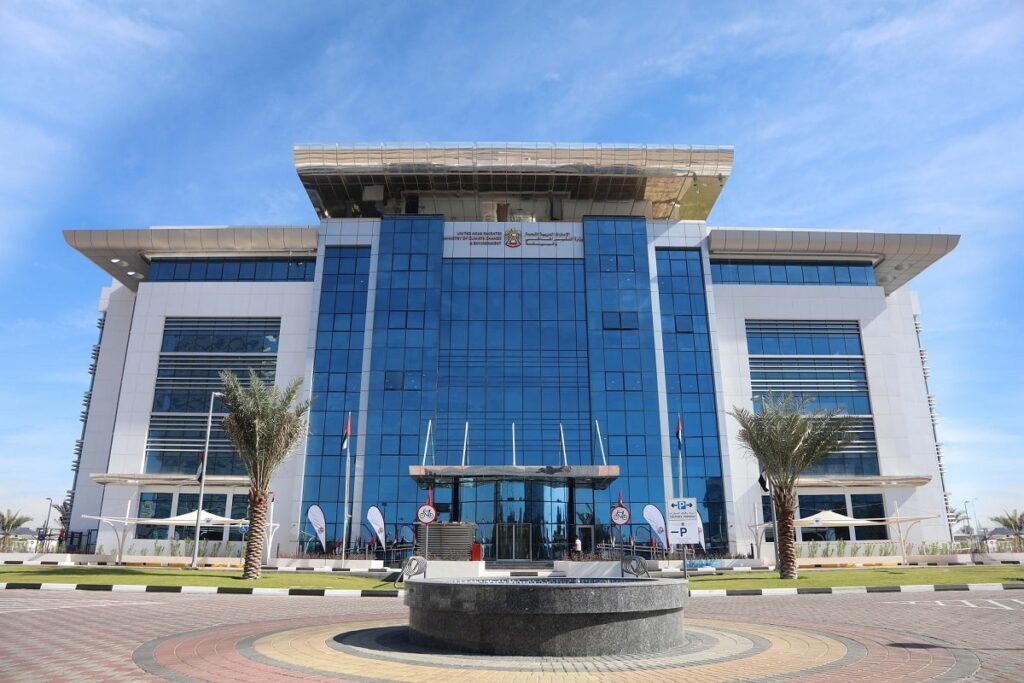
Beginning January 1st, 2024, the MOCCAE (Ministry of Climate Change and Environment) implemented the preliminary phase of their complete ban on single use plastics in the UAE which prohibited the trade and manufacturing of single use plastic bags. After a short two-year period, the second and final phase of the Federal Ban on Single Use Plastics has been rolled out throughout the country starting from January 1st, 2026. This is a comprehensive ban on all products that are produced using single use plastics such as cutlery, tableware, straws and many more.
This ministerial decision was made to aid the country’s environmental strategies towards marine conservation and environmentalism by reducing the waste and microplastics generated from this category of products.
Here is the official list of single use plastic products that are now forbidden to be imported, manufactured or traded in the UAE:
- Cutlery (including chopsticks)
- Tableware (e.g. plates, spoons, forks etc.)
- Stirrers
- Cotton Buds
- Table Covers
- Straws
- Containers made from Styrofoam
- Beverage Cups and Lids
- Single Use Bags (including Paper Bags below 57 Microns)

This ban will significantly impact the average consumer’s daily life as single use plastics are deeply embedded in sectors such as food delivery, retail and more.
One change that you may be able to notice is the gradual phase-out of plastic food packaging when ordering from restaurants. Instead of plastic, items such as paper bags or cardboard boxes will be used instead to store your food.
Supermarkets and other retail establishments will also see major changes due to the outlaw of plastic bags. This will encourage consumers to use reusable bags instead for the foreseeable future. Despite the high initial perceived cost, the widespread adoption of reusable bags will save money in the long term for consumers.
Some businesses will also need to heavily adapt to changes by reworking how they source certain materials and equipping employees with the knowledge to incorporate more sustainable practices along with the skills to explain these shifts to customers clearly.

As the UAE moves into this phase of sustainability, this marks a significant milestone in the country’s commitment to protect and revitalize the environment and ecosystem. Even though this drastic change may be challenging to adapt to, the future benefits that this restriction will bring are invaluable.
