
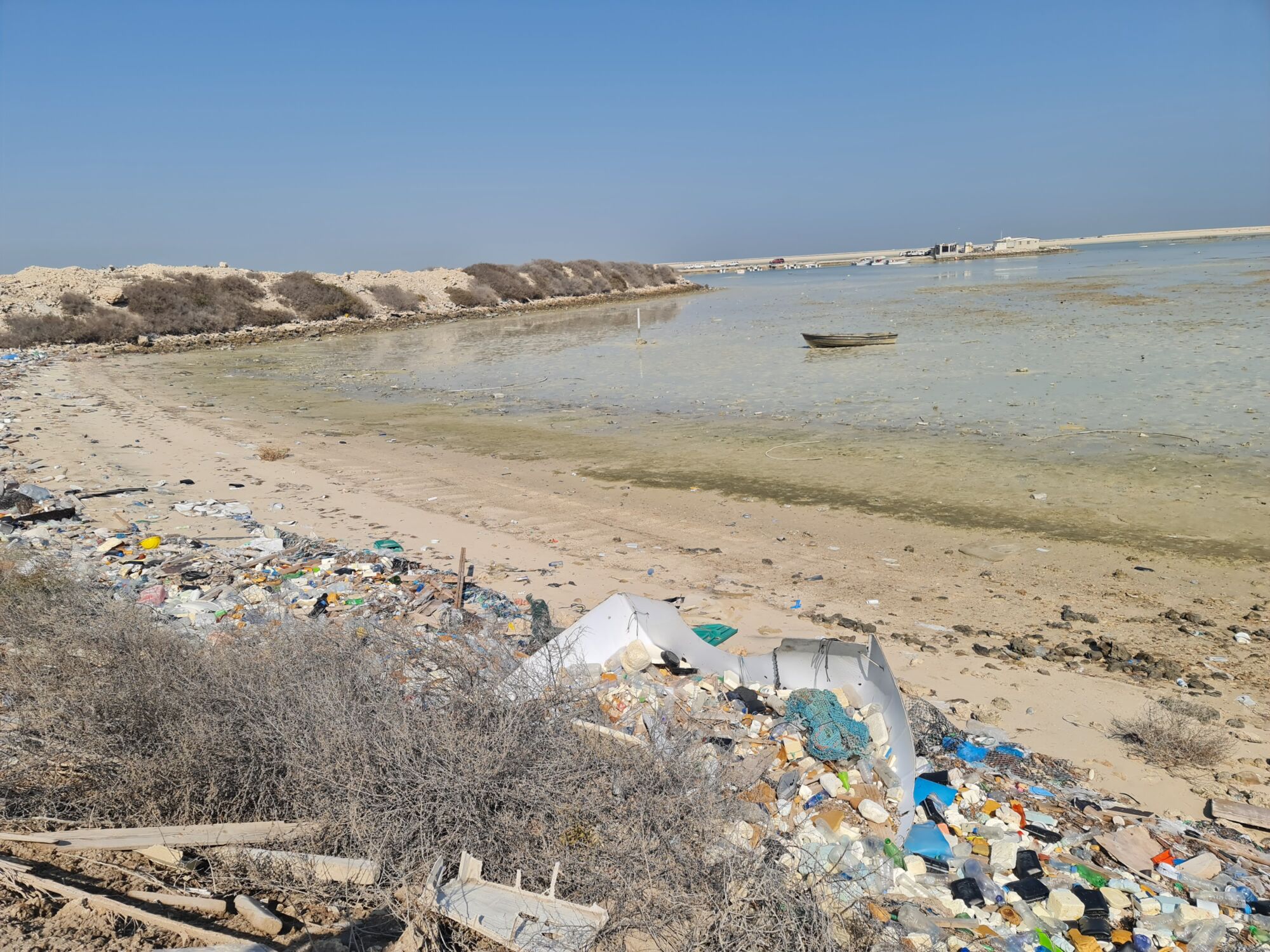
A new peer-reviewed study published in May 2026 in the journal Sustainability provides the first comprehensive assessment of microplastic contamination in Bahrain’s oyster bed ecosystems, filling a critical data gap for the Arabian Gulf and raising important questions for marine conservation, seafood safety, and plastic policy across the region.
Why Bahrain Oyster Beds Matter
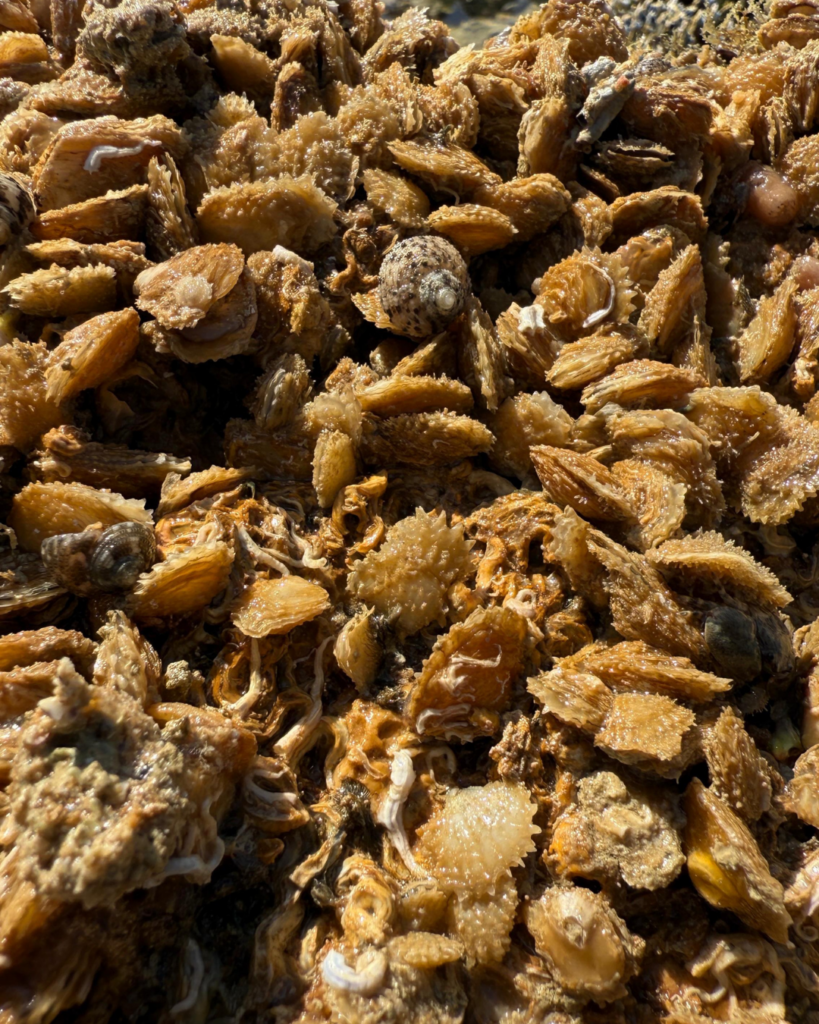
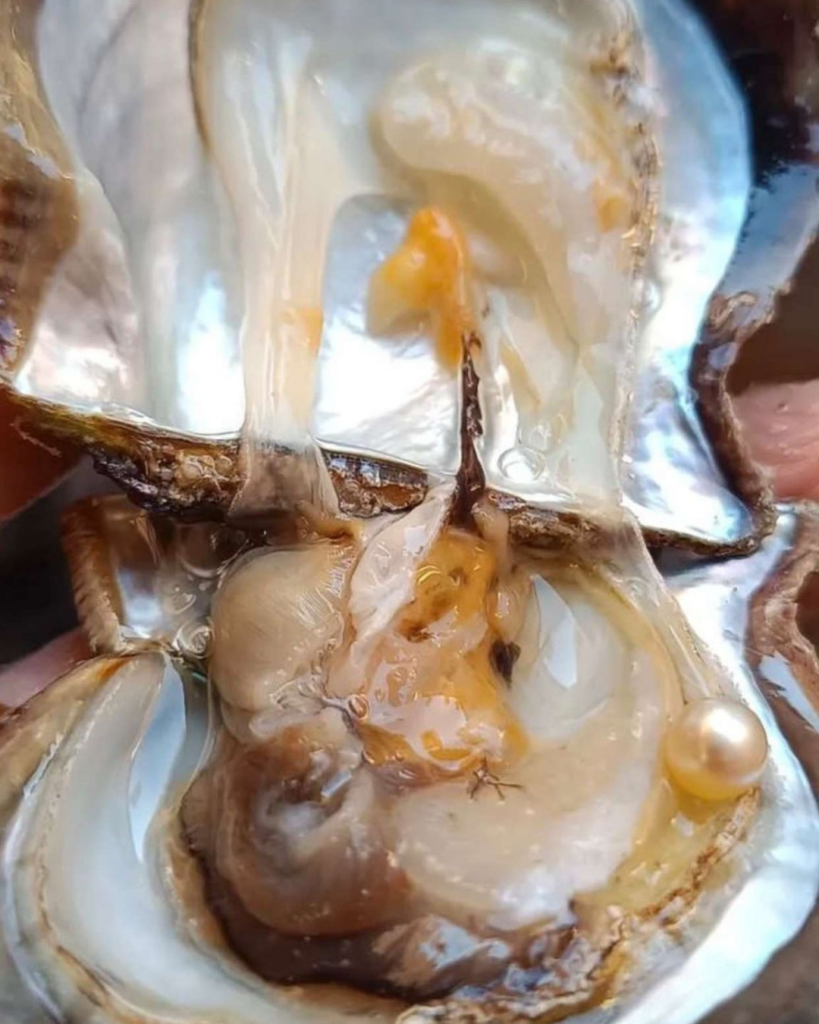
Bahrain’s oyster beds are a living infrastructure: filter feeders that improve water quality, ecosystems that stabilise shorelines, and habitats with deep cultural significance tied to the country’s millennia-old pearling heritage, a UNESCO World Heritage tradition. And because oysters filter vast volumes of seawater to feed, they are also extraordinarily sensitive to what is dissolved in it.
That sensitivity makes oysters ideal biomonitors. What accumulates in their tissues is a direct reflection of what is present in the surrounding water and sediment. In a semi-enclosed sea like the Arabian Gulf, characterised by restricted circulation, intense coastal development and limited flushing, this is of major importance.
Findings of the Study
The research team, led by scientists from the University of Bahrain, including Dr. Layla Jasim Hazeem, Nuwat for Environmental Research & Education in Bahrain, including Dr. Reem al Mealla, and the University of Health Sciences in Türkiye, sampled six sites across Bahrain’s northern, eastern, and western waters in January 2024. They collected sediment, seawater, and oyster samples, and applied Raman spectroscopy to identify the polymer types present.
Twelve distinct plastic polymer types were detected across all sample matrices. The most prevalent were polypropylene (PP), polyurethane (PU), and a composite of PET, the latter typically associated with industrial and desalination activity, both of which are significant along Bahrain’s coastline.
The concentrations recorded were striking. Microplastic abundance in water samples ranged from 2,100 to 9,600 microplastics per litre, with the highest levels at the Falkland site in the eastern waters, an area popular with pearl divers and tourism. In sediments, the range was 750 to 1,850 microplastics per kilogram of dry weight. Individual oysters contained between 1.78 and 5.25 microplastics per organism, with the smallest particles most concentrated in oyster tissues.
An Active Sorting System
One of the study’s most important contributions is the picture it paints of how microplastics move through and accumulate in Bahrain’s coastal environment. The Gulf does not behave as a uniform reservoir where plastics are evenly distributed. Instead, it functions as an active sorting system.
Larger, lower-density polymers like polypropylene tend to remain suspended in the water column, while denser particles settle into sediments and fine particles are filtered out by oysters over time. The eastern sites consistently showed the highest concentrations, likely reflecting proximity to urban centres, boat traffic, and pearl diving activity. The western sites, though exposed to extreme salinity, still registered microplastics, pointing to the role of regional hydrodynamics in transporting particles beyond their original sources.
Notably, plastics strongly associated with industrial processes and desalination infrastructure appeared even at sites distant from obvious industrial activity, suggesting long-range transport within the Gulf’s confined circulation system.
The Arabian Gulf Context
The Arabian Gulf has already been identified in regional studies as having some of the highest sediment-associated microplastic risk indices in West Asia. Its semi-enclosed geometry means plastics that enter the system tend to stay in it. Earlier work from the Northern UAE documented microplastic contamination in both sediments and oysters at comparable Gulf sites. This study not only confirms that pattern but extends it with the first polymer-level characterisation in an oyster bed setting.
What makes the findings particularly relevant from a food security and public health perspective is the pathway from marine environment to dinner table. Oysters are consumed whole, and the fine microplastic fraction that concentrates in their tissues, below 50 micrometres, is not removed by cooking. As the authors note, continued monitoring is essential to assess long-term risks to both marine ecosystems and seafood safety.
What Comes Next
Despite existing marine conservation frameworks in Bahrain, including marine protected areas and regulations governing pearl diving, there was until now no systematic microplastic baseline for the country’s oyster bed ecosystems. This study establishes that foundation.
The authors are clear that a single sampling campaign cannot capture seasonal variation, and that the dataset, while robust, will need to be built upon. Future monitoring should extend across seasons, expand the number of sites, and eventually incorporate source apportionment analysis to trace specific plastic inputs back to their origins, whether urban runoff, fishing gear, or industrial discharge.
The timing is significant. With international negotiations toward a global plastics treaty ongoing, baseline data from the Arabian Gulf is precisely what regional policymakers and marine managers need to participate meaningfully in those conversations. Studies like this one, emerging from Bahraini researchers and institutions, are the building blocks of evidence-based ocean governance.
Bahrain’s oyster beds have survived millennia of environmental pressure. They are resilient, but not infinitely so. The plastic footprint this study has mapped is a signal, and the science now exists to act on it: through continued monitoring, tighter controls on plastic waste entering coastal waters, and policy that takes seriously both the ecological role of filter feeders and the human communities who depend on them.
For the MENA region, where ocean governance infrastructure is still developing and baseline data remains scarce, this study is a model for the kind of locally-grounded and regionally-relevant research the moment demands.
