
Middle East Mangrove Knowledge Hub
The Middle East Mangrove Knowledge Hub is a science-led, capacity-building programme designed to unite regional partners around a shared vision for mangrove conservation, restoration, and management.
Rooted in the regional contextualisation of the Global Mangrove Alliance’s (GMA) Best Practice Guidelines for Mangrove Restoration, it aims to make global best practices accessible, applicable, and actionable across the Middle East.
Conceptualised and hosted by Goumbook, in partnership with HSBC, and Advising Partner: Wetlands International; it represents the establishment of a platform that will foster long-term regional collaborative mechanisms between regulatory authorities, researchers, on-ground practitioners and the private sector to enhance restoration and conservation efforts in the region. Aimed at co-creating a community of practice, the hub prioritises the adoption of science-led approaches, tailored to our coastal conditions, and informed by the region’s own successful restoration models.
Mission
Advancing regional capacity for ecosystem restoration.
Establishing foundations for a comprehensive regional mangrove capacity development and learning strategy to deliver on the Mangrove Breakthrough.
Vision
To drive science-led mangrove restoration in the region by bridging gaps in knowledge, capacity, and implementation through inclusive, cross-sector collaboration.
In a region where science-led mangrove restoration has long been underrepresented in both policy and practice, the Hub aims to be a catalyst; convening regional stakeholders, international experts, and cross-sectoral partners, to bridge critical gaps in knowledge, capacity, and implementation.
Key Objectives
Through global best practices and locally grounded solutions, The Hub will:
Map stakeholders, needs, and gaps to guide regional learning and capacity building
Build learning ecosystems with accessible, science-based tools
Engage local actors as restoration stewards, including private sector and communities
Scale and replicate best practices through piloting, research, and innovation

Identify pipeline projects to mobilise resources and partnerships
Support policy alignment through LMMA frameworks and NDC integration
Elevate regional leadership through knowledge exchange and success stories
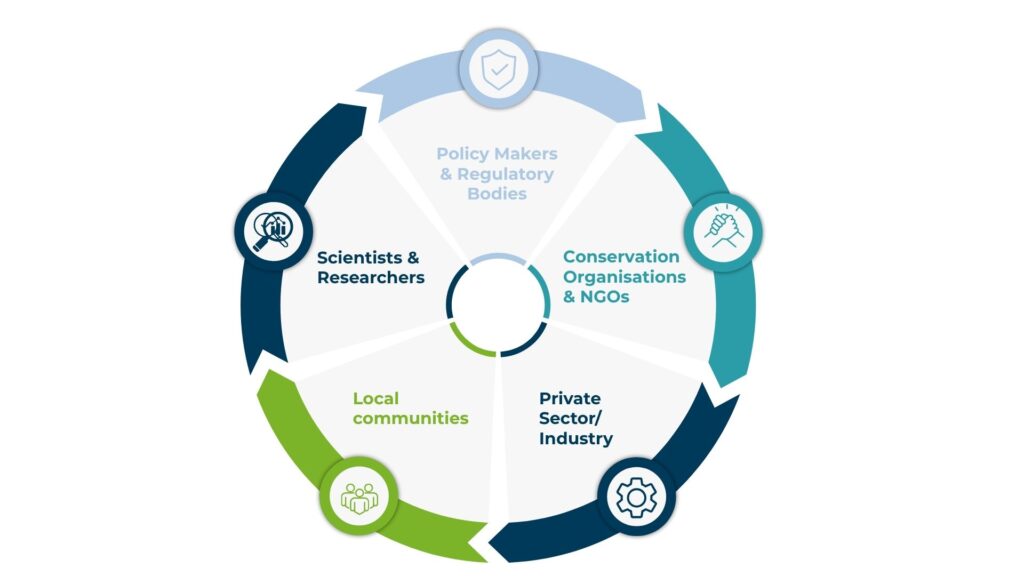
Stakeholder Groups
Geographical Reach
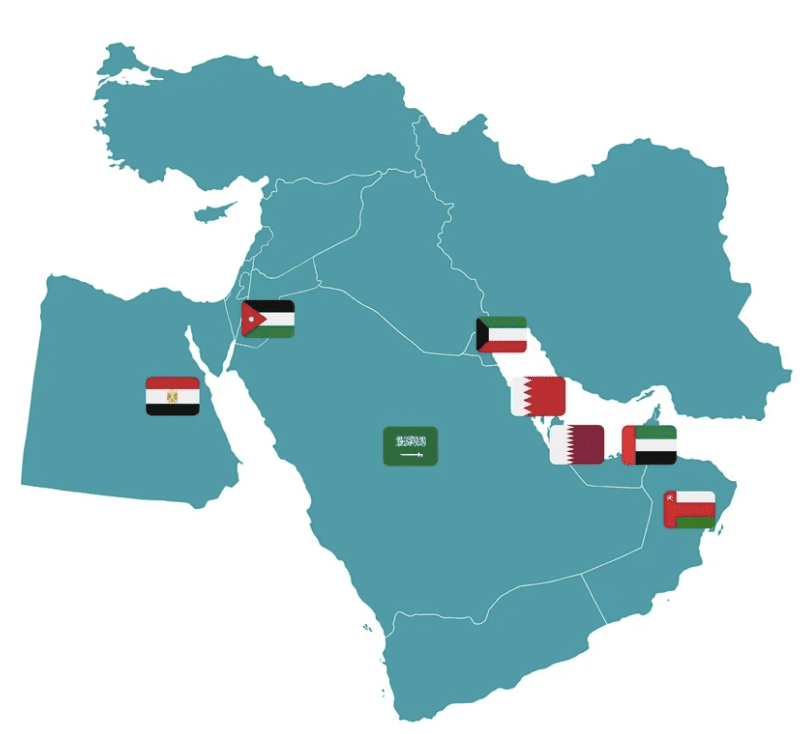
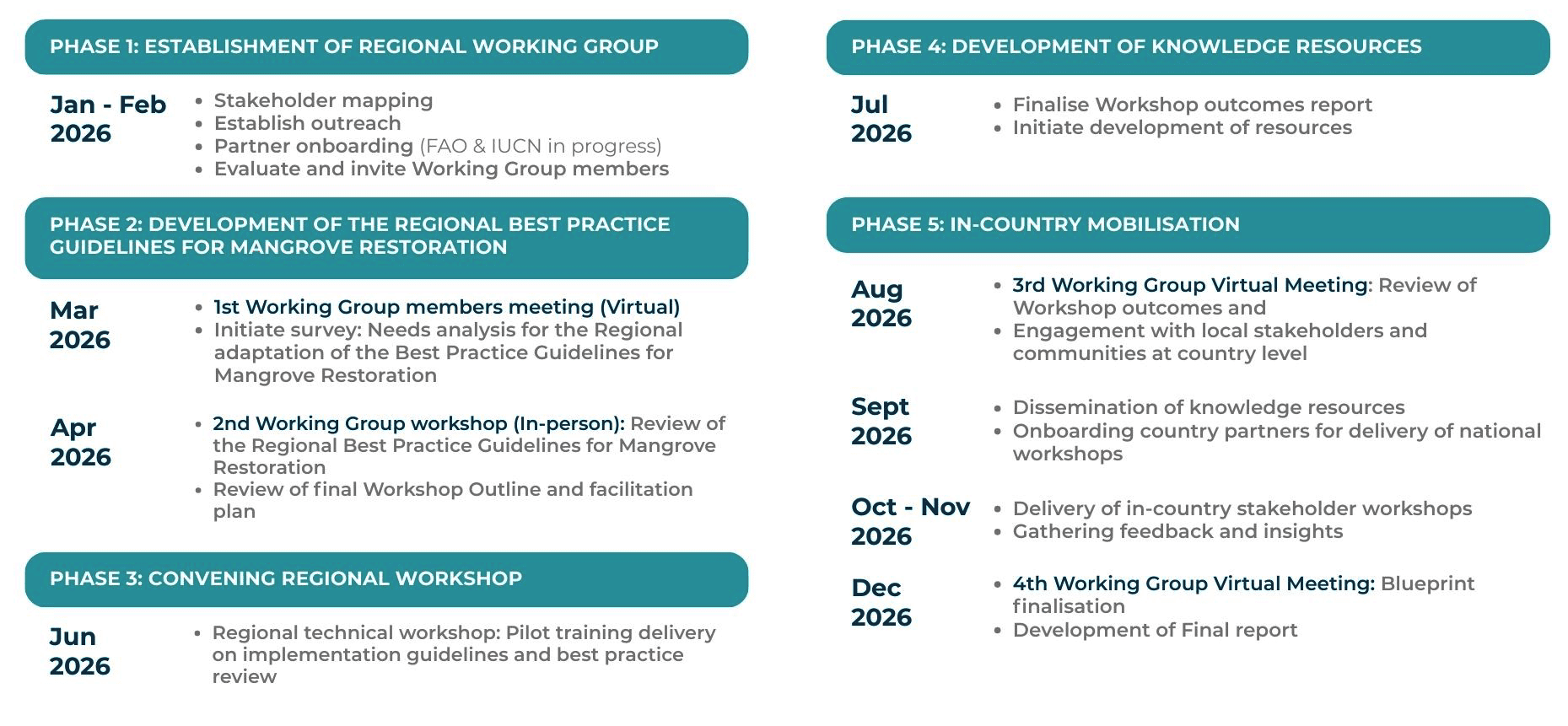
Project Roadmap
How to Engage
Institutional Partners
- Provide institutional endorsement and policy alignment
- Facilitate stakeholder coordination — help convene key actors, support access to data, and foster inter-ministerial collaboration across environment, climate, and education sectors.
- Enable implementation at scale — provide regulatory and logistical support for restoration pilots, awareness programmes, and capacity-building activities in-country
Advising Partners
- Oversight on the regional framework emerging and any contextualization proposed to the GMA Global Learning Strategy
- Review of the content and methodology of the regional workshop developed and delivered by the training partner
- Active participation in the Regional Working Group, providing technical and strategic input.
Knowledge Partners
- Contribute technical expertise and peer review — validate training materials, regional guidelines, and scientific content to ensure accuracy and relevance.
- Collaborate on research and data collection — co-develop region-specific studies and support the creation of a regional knowledge repository.
- Engage in capacity development — participate in trainings, workshops, and advisory groups to strengthen the scientific foundation of the Hub.
Supporting Partners
- Mobilise investments and allocate resources towards the delivery of workshops, research, and / or community initiatives.
- Champion the initiative through visibility and advocacy — amplify regional and global awareness of the Hub’s goals and outcomes.
- Invest in long-term capacity and innovation — support the development of regional learning ecosystems, monitoring tools, and digital platforms that ensure sustainability.
Contact us for more information
Insights & News
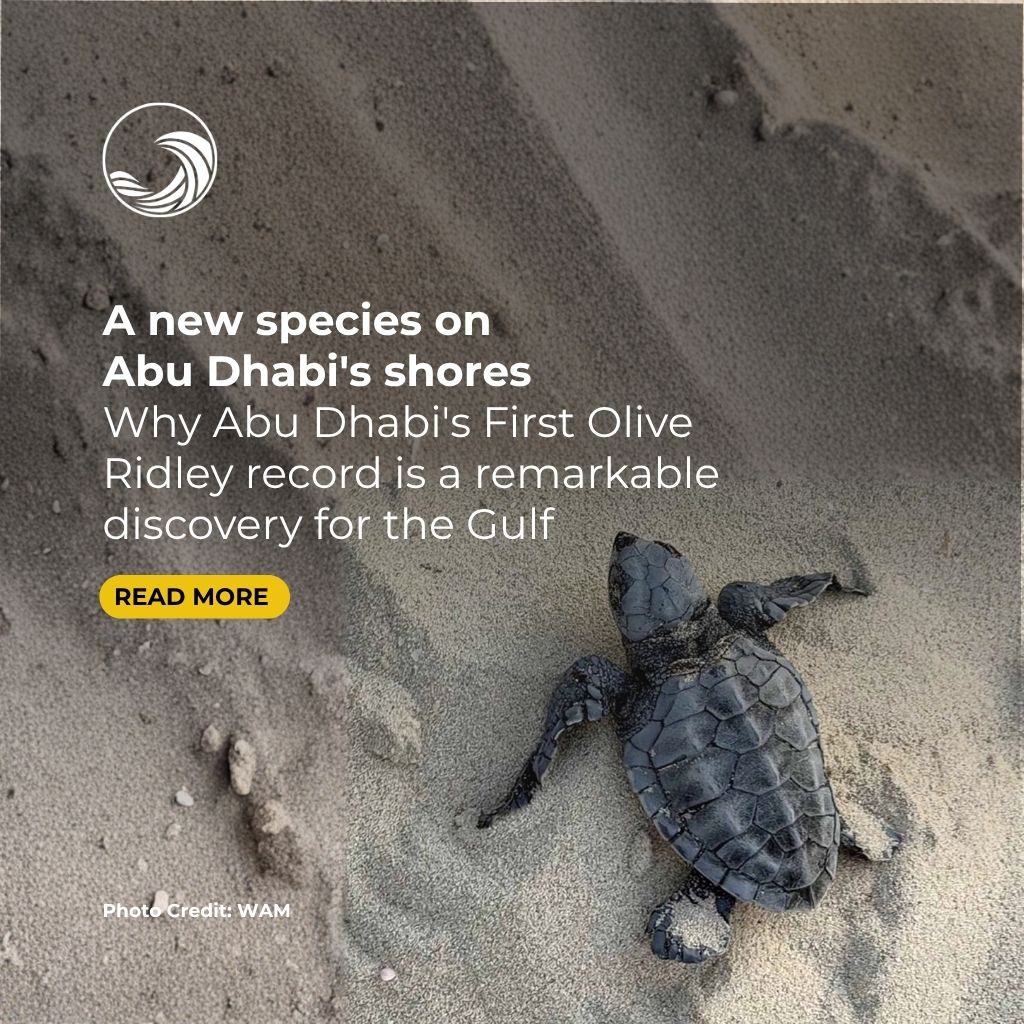
In August 2026, the Environment Agency – Abu Dhabi (EAD) confirmed the first recorded nesting...
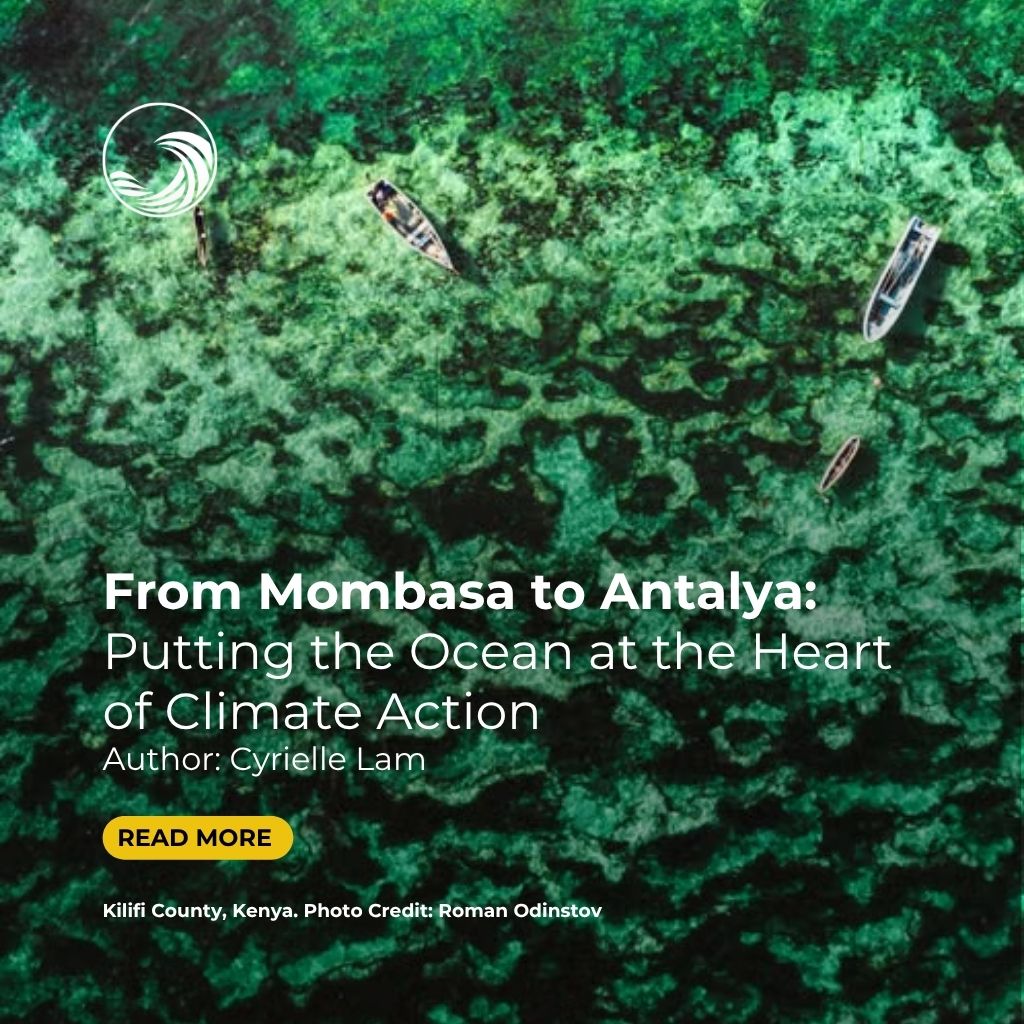
Author: Cyrielle Lam Since the adoption of the Paris Agreement, the ocean has increasingly been...
Contributed by: Dr. Guilherme Abuchahla, Senior Technical Lead, Middle East Mangrove Knowledge Hub at Goumbook...
